Skip to content
Golden sand ripples of a Moroccan desert dune
Morocco Travel Guide

Best Time to Visit Morocco 2026

Something about timing a Morocco trip just right makes all the difference between a good vacation and an unforgettable one. Morocco dazzles all year, but each season paints the kingdom in different colors — match your dates to your priorities.

28 November 2025Eddyafa Travel
Journal

Why Timing Your Morocco Trip Actually Matters

Morocco welcomed a record 17.4 million visitors in 2024 — and it isn't one climate, it's more like four countries in one: coastal breezes in Essaouira, alpine weather in the Atlas Mountains, Mediterranean vibes in the north and proper desert heat in the south. Understanding that diversity is your secret weapon for planning the perfect trip.

Get the timing right and a good vacation becomes unforgettable. Get it wrong, and you could be that couple who books a Sahara trek for mid-July, only to face 45°C (113°F) heat that turns a romantic camel ride into a survival mission.
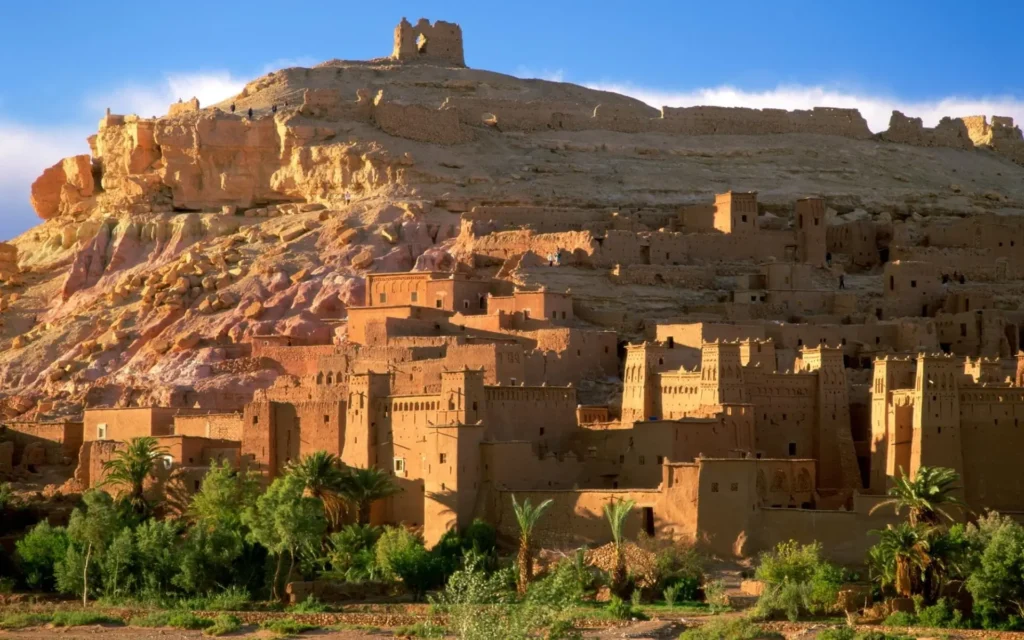
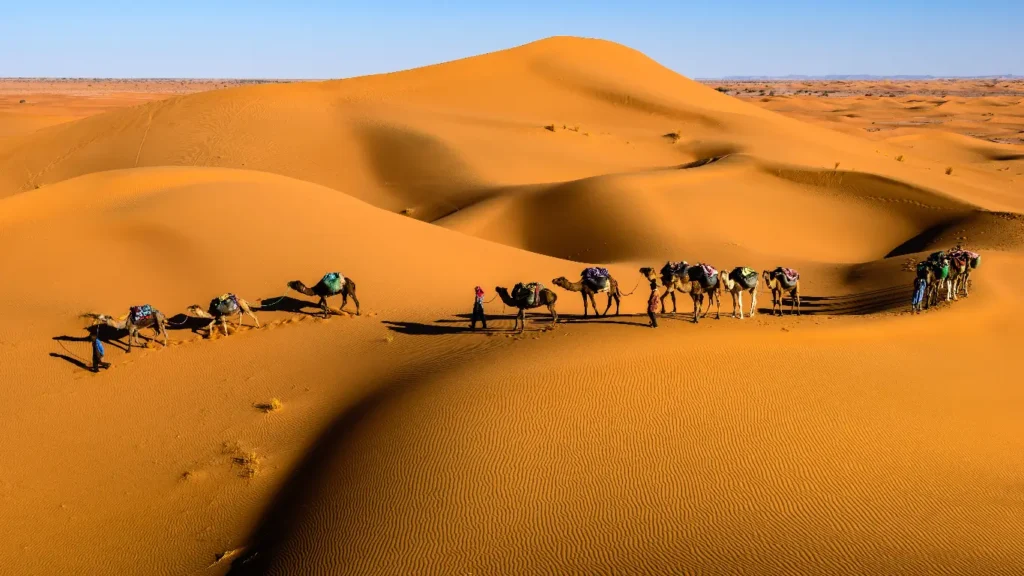
Moroccan desert landscape glowing at golden hour

Morocco's Four Seasons: The Real Deal

Each season paints the kingdom in completely different colors. Here is what you can actually expect, month by month.

Spring (March–May): Peak Season for Good Reason

Spring is Morocco's golden window. Temperatures sit at 15–25°C (59–77°F) in most regions, the countryside explodes in wildflowers and the medinas are still walkable without melting — perfect for exploring labyrinthine souks or the pleasantly warm Sahara.

Expect high crowds, especially in April, and premium prices: hotels in Marrakech and Fes fill up fast, so book your Morocco tour packages 2–3 months ahead. If you time it for May, catch the Rose Festival in the Valley of Roses.

  • Temperature range: 15–25°C (59–77°F) in most regions
  • Crowd levels: high, especially in April
  • Prices: premium — but worth every dirham
  • Flower season: the countryside explodes in wildflowers

Summer (June–August): Strategic Coastal Escaping

Summer gets a bad reputation, but it's brilliant if you know where to go. Interior cities bake at 35–45°C (95–113°F), so the coast takes the spotlight: Essaouira, Tangier, Agadir and Asilah sit at a breezy 20–28°C (68–82°F), and desert destinations drop their prices.

As the saying goes: «Morocco's summer is split personality season — brutal inland, absolute paradise on the coast.» Fancy windsurfing in Essaouira or beach-hopping the Atlantic? Summer is your jam.

  • Coastal cities: 20–28°C (68–82°F) with refreshing breezes
  • Interior cities: 35–45°C (95–113°F) — bring sunblock
  • Best zones: Essaouira, Tangier, Agadir, Asilah
  • Bonus: lower prices in desert destinations

Fall (September–November): The Hidden Gem Nobody Talks About

Fall may be the best-kept secret of the whole year: prices drop while the weather stays gorgeous. The Atlas Mountains turn golden, the desert cools to comfortable temperatures, and you'll get Jemaa el-Fnaa without shoulder-to-shoulder tourists.

It's date harvest season, too — there's nothing quite like fresh Medjool dates straight from the palm trees. Local secret: October is when Moroccans take their own holidays, so a spot full of local families is a genuine sign it's worth visiting.

Winter (December–February): Morocco's Best-Kept Travel Secret

Winter isn't what you'd expect — unless you plan to ski in Ifrane (yes, Morocco has ski resorts). In most tourist destinations the weather is mild and pleasant.

The trade-off: some mountain passes may close on snow, and desert nights genuinely need layers. The upside: incredible accommodation deals and near-private tours of the major sights.

  • Marrakech: 12–20°C (54–68°F), jacket weather
  • Sahara: 15–20°C (59–68°F) by day, near freezing at night
  • Coastal cities: 10–18°C (50–64°F)
  • Atlas Mountains: perfect for winter sports

Destination-Specific Timing: Get This Right

The best time to travel shifts by region. Match your itinerary to the local climate and you'll see Morocco at its absolute best.

Marrakech: The Red City's Sweet Spots

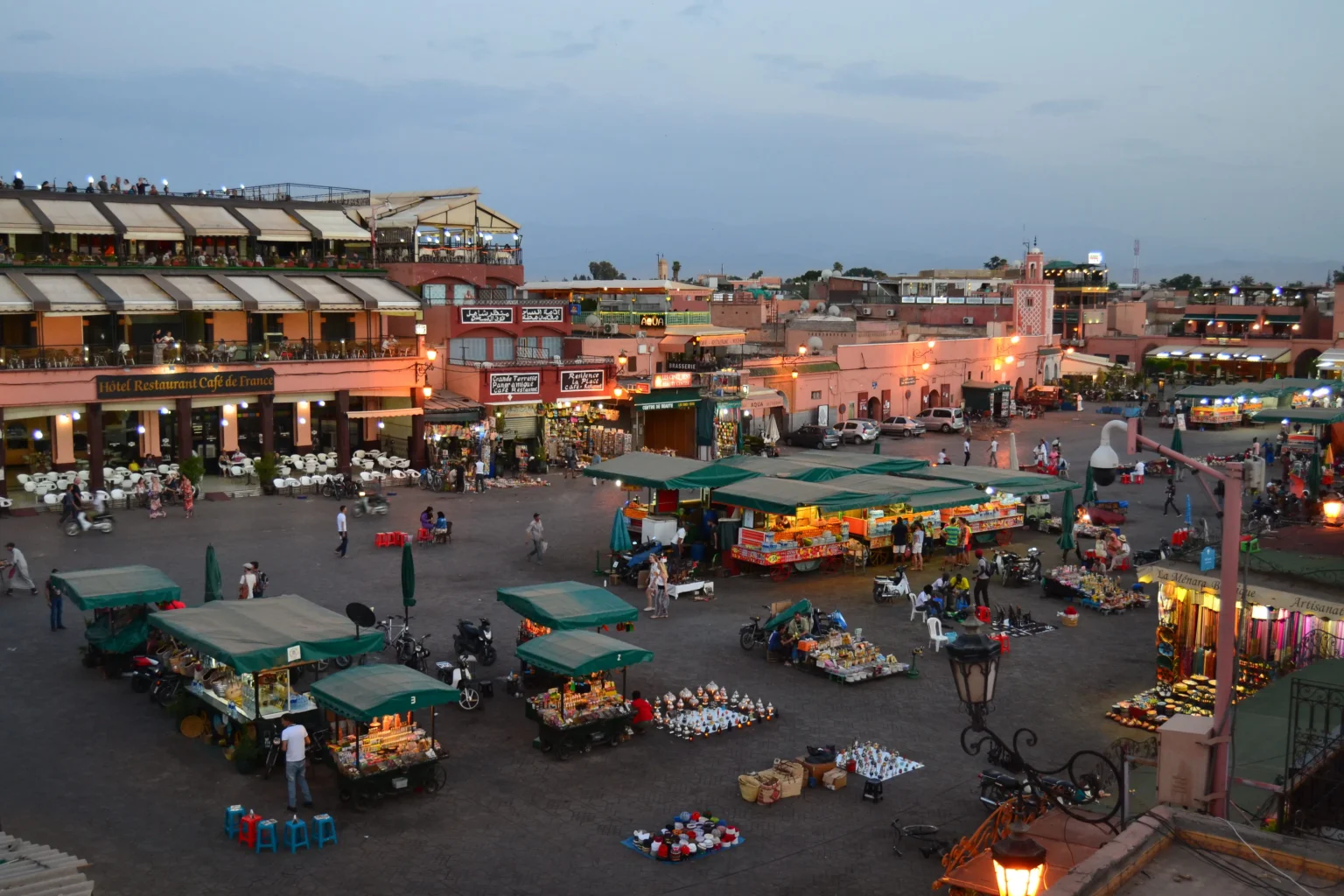
The best time to visit Marrakech is unquestionably spring (March–May) or fall (September–November). Summer turns the city into an outdoor sauna, and while winter is lovely, evenings get surprisingly chilly. Don't miss magic hour — sunset, when the call to prayer echoes across the souks and the Koutoubia Mosque glows golden.

The Sahara Desert: Timing Is Everything

Aim for October through April for desert tours from Marrakech. Summer desert heat isn't adventurous; it's just uncomfortable, and winter nights can drop below freezing — so pack warm clothes even in the Sahara.

Insider tip: December and January offer the clearest desert skies for stargazing. If you're into astrophotography, these months are pure magic.

Sahara sand dunes under a clear night sky

Fes and Chefchaouen: Medieval Magic Meets Blue Dreams

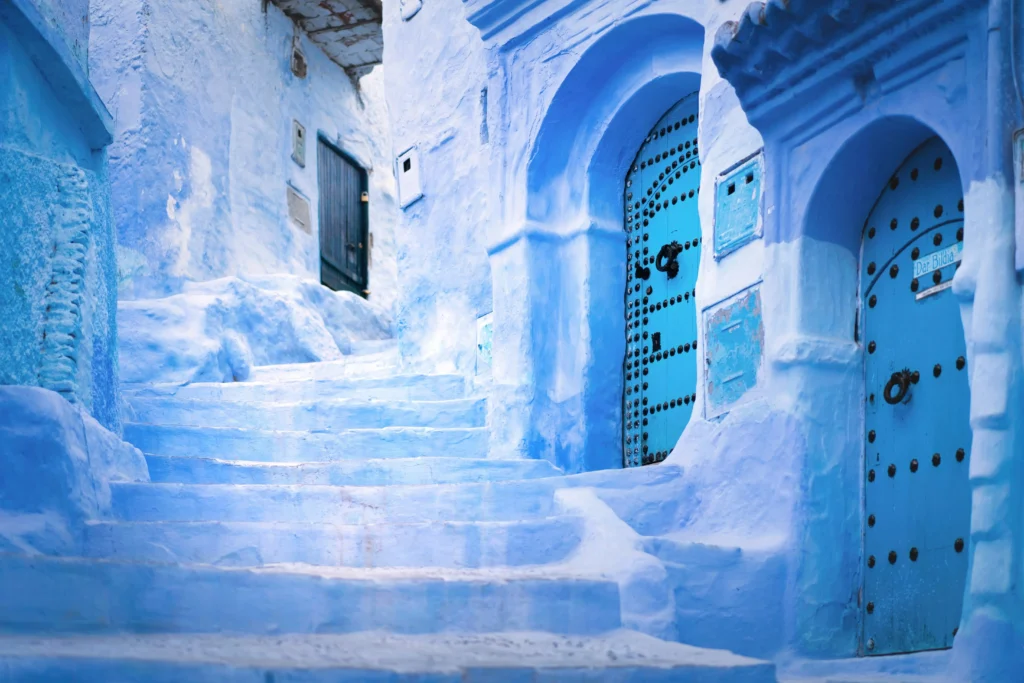
These northern gems shine brightest in spring and fall. Summer can get muggy and winter brings occasional rain — but spring (April–May) is especially gorgeous in Chefchaouen, the blue city framed by green mountains.

Coastal Gems: Essaouira, Agadir, Casablanca

Summer (June–September) is prime time on the coast. The Atlantic keeps temperatures bearable, the beach scene comes alive, and Essaouira's wind makes it a summer haven for kitesurfers escaping the inland heat.

Budget Considerations: When Your Wallet Matters

Let's talk money, because it matters.

  • High season (March–May, October): accommodation 40–60% higher, peak pricing on tours and flights — but perfect weather and everything open
  • Shoulder season (September, November): 20–30% cheaper accommodation, moderate tour prices, good flight deals if you book ahead
  • Low season (July–August, January–February): best deals — up to 50% off accommodation, lowest tour prices, bargain flights; your dirham goes further
A Moroccan riad courtyard with a tiled fountain

Festivals and Cultural Events Worth Planning Around

Morocco's festival calendar adds another layer to your timing decision:

  • Almond Blossom Festival (February, Tafraoute)
  • Rose Festival (May, El Kelaa M'Gouna)
  • Gnaoua World Music Festival (June, Essaouira)
  • Eid celebrations (dates follow the lunar calendar)
  • Marrakech International Film Festival (November/December)
Moroccan festival musicians in traditional dress

Traveling During Ramadan

Ramadan: Morocco stays welcoming, but restaurant hours shift and some services adjust. It's a unique time to visit if you're culturally curious — just plan your meals accordingly.

How Eddyafa Travel Takes the Guesswork Out

At Eddyafa Travel we've crafted Moroccan itineraries for years, and timing is our specialty. Whether you want a luxury desert experience or hidden mountain villages, our customized tours match your dream trip to the ideal season.

Our day trips from Marrakech are designed around optimal visiting times for each destination, so you see Morocco at its absolute best.

  • VIP transportation that turns transfers into part of the adventure
  • Local guides who know secret spots tourists never see
  • Flexible planning that adapts to your schedule and the weather
  • Honest advice about what works when — we'll talk you out of summer Sahara trips

What's the cheapest month to travel to Morocco?

January and February typically offer the lowest prices across accommodation and tours. July and August also see deals in desert destinations, though comfort levels vary sharply with the heat.

Can I visit the Sahara Desert in summer?

Technically yes, but practically? We'd advise against it. Desert temperatures regularly exceed 45°C (113°F), making daytime activities genuinely dangerous. If summer is your only option, consider the Agafay Desert near Marrakech instead — desert vibes without the extreme heat.

Is Morocco safe to travel during Ramadan?

Absolutely. Morocco remains welcoming and safe during Ramadan. Just be respectful — don't eat, drink or smoke publicly during fasting hours — expect adjusted restaurant hours, and enjoy the unique evenings when cities come alive after sunset.

What should I pack for Morocco depending on the season?

  • Spring/Fall: layers — light shirts, a light jacket for evenings, comfortable walking shoes, sunhat, sunscreen
  • Summer: breathable fabrics, a wide-brimmed hat, serious sunscreen, a light scarf, sandals
  • Winter: warm layers (desert nights can drop to 0°C), a waterproof jacket for mountain regions, closed-toe shoes
  • All seasons: modest clothing for mosques, comfortable walking shoes for cobblestones, a small daypack

Your Perfect Morocco Timing Awaits

For most travelers, spring (March–May) and fall (September–November) offer the magical combination of perfect weather, manageable crowds and full availability of activities. But there really is no bad time to visit Morocco — just different experiences.

The real secret? Match your timing to your priorities. Chase perfect weather? Go spring or fall. Want budget-friendly luxury? Try late January or November. Crave empty attractions and don't mind layers? Winter is your friend.

Ready to start planning? Contact Eddyafa Travel and let's craft an itinerary that matches your schedule with Morocco's best seasonal offerings — from VIP transportation and authentic food experiences to epic adventure tours.

A Moroccan desert camp glowing at dusk

Begin your adventure

Your dream Morocco trip starts here

Tell us where you want to go, when, and at what pace — we’ll craft a tailor-made itinerary with private transport, hand-picked riads and local guides.